Jera Value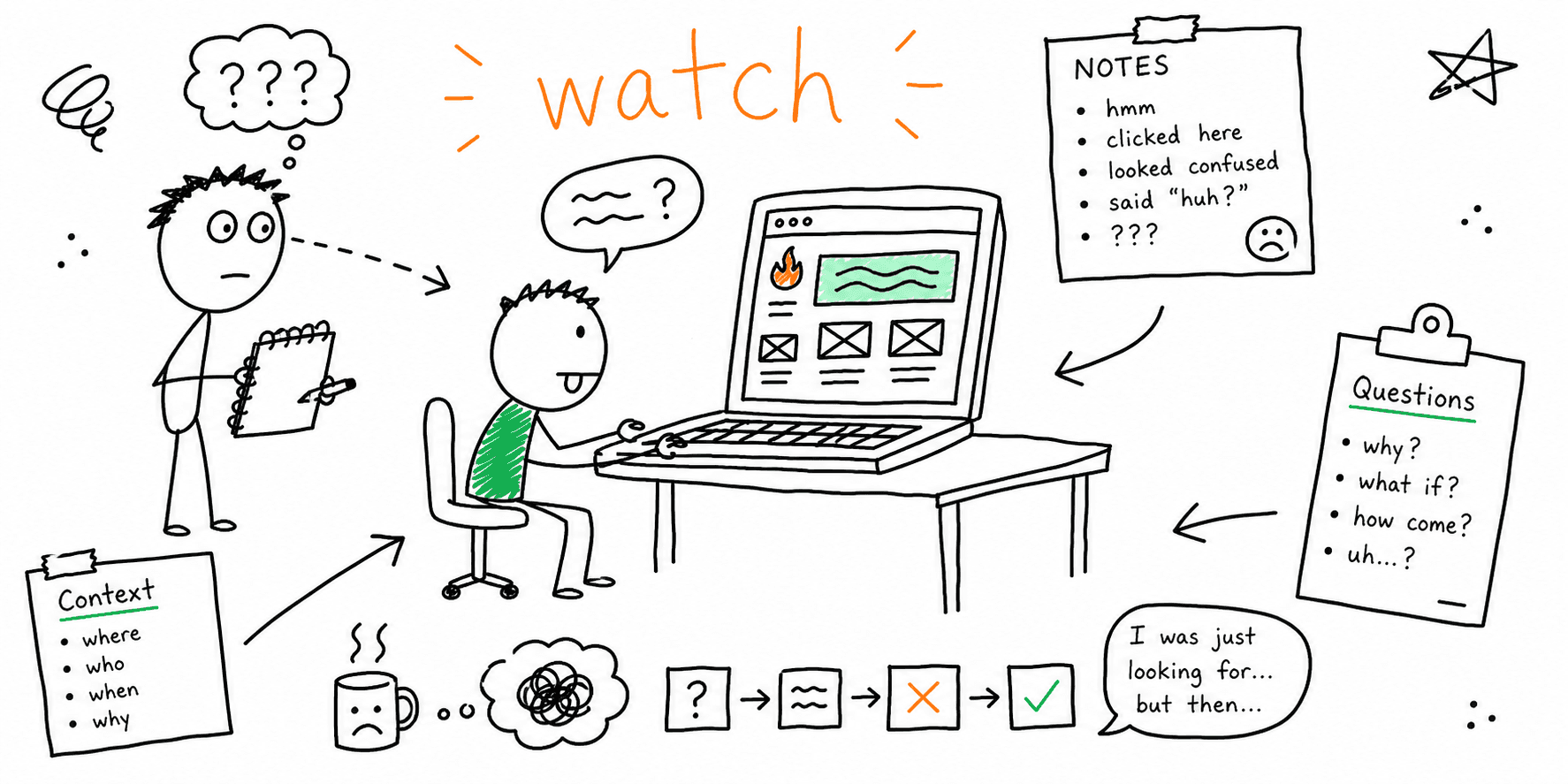

Contextual inquiry blends interviews with observation in real environments. This template helps you plan sessions, capture findings, and synthesize quickly.
What you'll get:
- A copy/paste contextual inquiry template
- A note-taking worksheet
- A simple analysis checklist and mini example
Use the sections below as building blocks; keep what you need and delete the rest.
To scope the study, draft a research brief template first.
References for this guide are listed at the end.
What is contextual inquiry?
UserTesting defines contextual inquiry as observing and interviewing users while they perform tasks in their natural environment. The University of Cambridge describes it as a hybrid of interviews and observation where the customer and researcher are equal partners.
When to use contextual inquiry
Maze notes contextual inquiry is useful when you need to understand real-world context of use rather than just in-app behavior. Atlassian positions it as a way to learn how customers use a product or service in day-to-day conditions.
Principles to keep in mind
Maze and UserTesting describe core principles that keep sessions focused:
- Context: observe people in their real environment
- Focus: stay aligned to your research goals
- Partnership: collaborate and ask open questions
- Interpretation: discuss observations and clarify meanings
Contextual inquiry template (copy/paste)
1. Research goal
- What behavior, workflow, or decision are we studying?
- What product or service is in scope?
- What decisions will this inform?
2. Participants and setting
- Who are we observing?
- Where will the session take place?
- What tasks will they perform in their normal environment?
3. Session structure
Mural suggests defining goals, planning the who/what/where, and setting expectations before the session.
- Intro and expectations
- Observation and interview
- Debrief and synthesis
4. Roles and responsibilities
Mural recommends assigning interviewers and note-takers. Maze suggests bringing a small team so someone can capture notes and context.
- Lead interviewer
- Note-taker
- Observer (optional)
5. Interview guide
UserTesting recommends open-ended, task-focused questions that explore tools, environment, pain points, and motivations.
- Can you walk me through this task?
- What tools or resources do you use alongside the product?
- What is frustrating or difficult here?
- Why did you choose that approach?
6. Session agenda (example)
Atlassian suggests a simple visit structure with observation and a team debrief.
- Office or workspace tour (10 to 20 minutes)
- Group interview (about 30 minutes)
- Individual observation and interviews (1 to 2 hours)
- Team debrief (30 to 60 minutes)
Contextual inquiry note-taking sheet
The University of Cambridge recommends observing context before structured questioning and capturing location, people, culture, and values.
| Field | Notes |
|---|---|
| Participant | |
| Location and environment | |
| Task or goal | |
| Tools and artifacts used | |
| Key steps observed | |
| Workarounds or friction | |
| Quotes | |
| Interpretation to validate |
Analysis checklist
Mural recommends grouping observations and discussing themes. Atlassian recommends a team debrief to surface trends.
- Review notes and quotes per session
- Group observations into themes
- Validate interpretations with the team
- Capture insights and next steps
Mini example (filled in)
Goal: Understand how support agents handle refunds
Setting: On-site observation in support center
Insight: Agents keep a separate spreadsheet because the internal tool lacks a fast search filter
FAQ
What is contextual inquiry in UX?
UserTesting defines it as observing and interviewing users in their natural environment to understand workflows, goals, and pain points.
How is contextual inquiry different from interviews?
The University of Cambridge describes it as a hybrid of interviews and observation where the customer and researcher work as partners in context.
What should I ask during a contextual inquiry?
UserTesting recommends open-ended questions about tasks, environment, and challenges, with follow-ups to understand motivations.
References
- UserTesting — Contextual Inquiry
- Maze — Contextual Inquiry
- Mural — Contextual Inquiry
- Atlassian — Contextual Inquiry
- University of Cambridge — Contextual Inquiry
Related resources
- User interview template
- UX research plan template
- Affinity diagram template
- Card sorting template
- Tree testing template
If you want a fast UX review for a specific page, start here: Website UX Audit
Want client-ready UX findings in minutes? Roast My Web generates branded PDF audit reports with prioritized UX, conversion, and SEO fixes.